






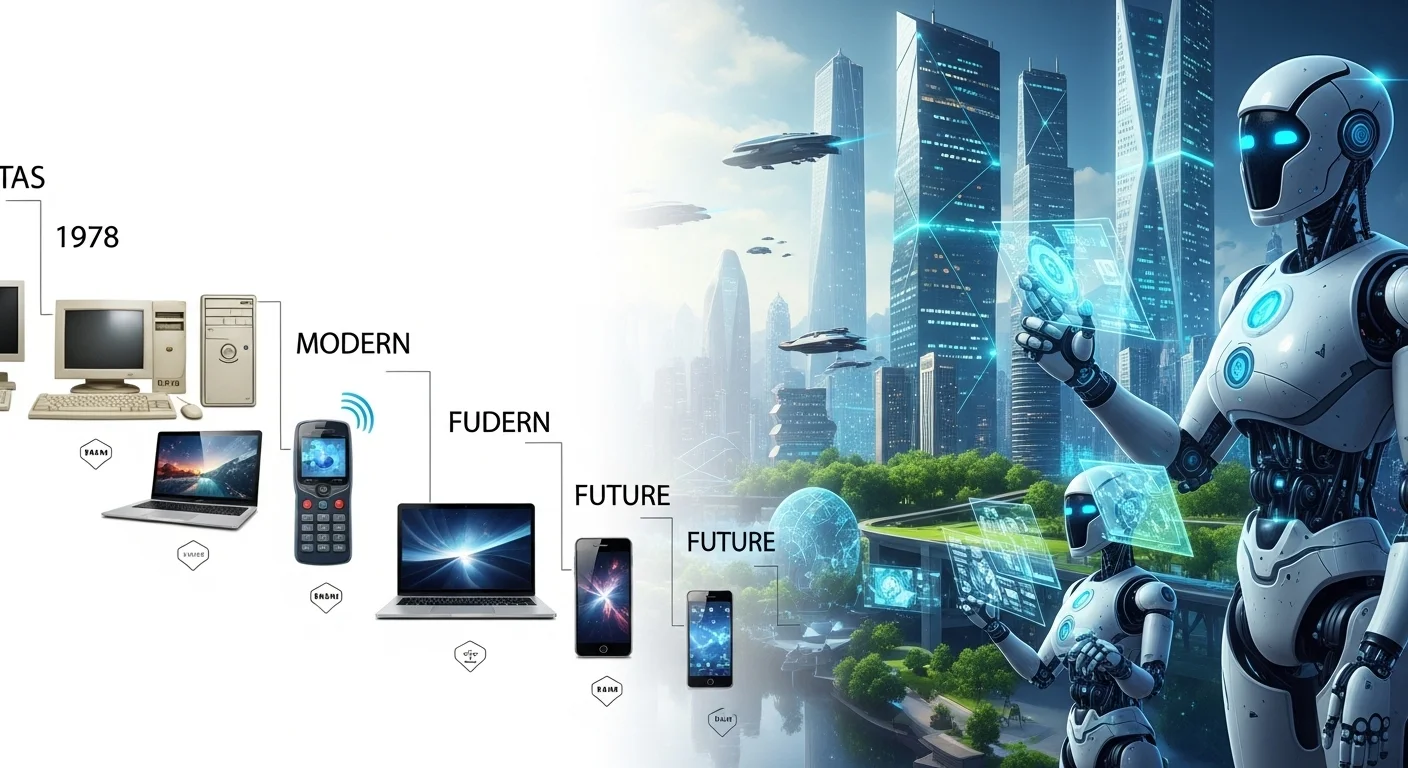
The evolution of technology is one of the most fascinating stories in human history, chronicling how simple tools and primitive innovations gave rise to the complex digital world we live in today. From early stone tools to artificial intelligence, technology has continually reshaped the way we work, communicate, and interact with our environment. Understanding this progression helps us appreciate not only where we have come from but the possibilities that lie ahead. Societies that adapt to evolving technologies thrive, while those that resist change often lag in economic and social development.
In this comprehensive article, we will explore how technology evolved through the ages, key milestones, theoretical perspectives, and its profound impact on society, business, and everyday life.
What Is the Evolution of Technology?
At its core, the evolution of technology refers to the gradual development and refinement of tools, systems, and methods that humans use to solve problems and improve the quality of life. This progression reflects both human creativity and the cumulative nature of innovation. Early humans developed basic tools from stone and wood, and over time, these innovations became more sophisticated. The field known as technological evolution also draws on theories used in evolutionary biology, treating technological change as a cumulative process where new inventions are built from combinations of existing ideas and technologies.
According to research on the history of technology, this process is cumulative and shaped by societal needs, resource availability, and scientific knowledge.
Early Innovations and Prehistoric Technology
The history of technology begins long before recorded history. Archaeological finds show that early humans used stone flakes as cutting tools over three million years ago.
Key early innovations include:
- First tools: Sharp stones used for cutting and scraping.
- Control of fire: Revolutionized cooking, warmth, and protection.
- Neolithic Revolution: Marked by agriculture and the wheel, which dramatically changed human settlement and productivity.
These early inventions represent the beginning of human ingenuity and set the stage for more complex technological developments. As societies grew, so did the demand for improvements in agriculture, transportation, and communication. This early foundation would inform centuries of innovation to come.
The Industrial Revolution and Technological Transformation
One of the most significant turning points in the evolution of technology was the Industrial Revolution, which began in the late 18th century in Great Britain and eventually spread worldwide.
Before this period, most manufacturing and production were manual, labor-intensive, and localized. The advent of machinery like the steam engine enabled large‑scale production, transforming industries and daily life. Key innovations during this era included:
- Steam engines that powered factories and transportation.
- Mechanized factories that increased output and efficiency.
- New communication tools, such as the telegraph.
The Industrial Revolution not only introduced new technologies but also fundamentally altered how societies organized labor, produced goods, and connected regions. It laid the ground for rapid technological change in later centuries and is a key example of how technological change can transform both economy and society.
20th and 21st Century Technological Advancements
The pace of innovation accelerated dramatically in the 20th and 21st centuries. These eras witnessed the birth of technologies that transformed almost every aspect of daily life and industry.
Some of the most impactful developments include:
- The rise of computers and digital systems, which enabled the processing and storage of complex data.
- The internet is connecting the world and reshaping communication and commerce.
- Mobile technology and smartphones are making powerful computing ubiquitous.
- Artificial intelligence and machine learning are powering everything from search engines to autonomous vehicles.
These advancements reflect the broad trend of innovation, where each breakthrough builds upon previous discoveries, a concept also discussed in theoretical approaches to technological evolution.
Theoretical Perspectives on Technological Evolution
Scholars studying technological change often borrow concepts from biological evolution to explain how technology develops over time. One influential idea is the combinatorial evolution theory, which suggests that every new technology is composed of simpler technologies that existed previously, creating a network of interacting innovations.
Beyond the structural perspective, other theoretical frameworks emphasize patterns of innovation and “technological paradigms,” which shape how societies adopt and integrate new technologies.
Understanding these theories can offer deeper insight into why certain technologies emerge and spread more rapidly than others, and how cumulative knowledge drives continuous change.
Technology’s Impact on Society and Business
The evolution of technology has not only reshaped tools and devices but also transformed the way societies function and how businesses operate.
In the modern era, technological advancements have:
- Boosted productivity and efficiency in industry and agriculture.
- Created new industries such as information technology, biotechnology, and renewable energy.
- Transformed communication, enabling global connections and instantaneous data exchange.
For example, businesses today increasingly rely on digital platforms for sales, marketing, and customer engagement. Companies featured on generalupdate often showcase how digital solutions have helped firms scale operations and reach global markets.
Innovations like automation and data analytics have also changed business strategy, enabling leaders to make faster, data‑driven decisions and improve customer experience. These changes demonstrate how technological evolution continues to influence every sector of the economy.
Emerging Technologies and Future Trends
As we look to the future, technological evolution shows no signs of slowing. Emerging areas such as artificial intelligence, biotechnology, and advanced materials are expected to define the next wave of innovation.
Examples include:
- AI and machine learning, which are transforming industries ranging from healthcare to finance. Anchored in research like that featured on AIuptrend, these technologies promise to automate complex tasks and generate new business models.
- Edge computing and 5G networks, enabling faster, more connected systems.
- Biotechnological innovations, with applications in medicine, agriculture, and sustainability.
These future trends highlight the ongoing nature of technological evolution and the importance of staying informed about new developments.
Challenges and Ethical Considerations
While the evolution of technology brings many benefits, it also raises challenges and ethical concerns. Issues such as data privacy, cybersecurity, job displacement due to automation, and ethical use of AI warrant careful consideration.
For instance, business leaders exploring digital transformation initiatives might consult insights on technology governance and strategic implementation from TechProbillion. Understanding potential risks and planning mitigation strategies helps ensure responsible adoption of new technologies.
Similarly, discussions on digital ethics and social impact can be enriched by exploring blogs and commentaries on Protech News, which often highlight ethical debates and regulatory developments in tech.
Conclusion
The evolution of technology is a vast and dynamic journey that reflects human creativity, curiosity, and the drive to improve our world. From the earliest stone tools to the rise of artificial intelligence, each stage has expanded human possibilities and reshaped society in profound ways.
By understanding this progression, we not only appreciate humanity’s innovative spirit but also recognize the responsibilities that come with powerful tools. As technology continues to evolve, balancing innovation with ethical considerations and social benefit will be key to shaping a future that benefits all.
The evolution of technology is far from complete, and whether you are a student, entrepreneur, or casual reader, staying informed about where technology has been and where it is headed will help you adapt and thrive in a rapidly changing world.